How Custom Rooflights Transform Any Space
Popular Rooflight Misconceptions Debunked: Essential Information for Every Homeowner
A great many homeowners harbour misconceptions about rooflights. They frequently assume these installations are weak and likely to leak. Yet, modern advancements in technology and materials dispute this assumption. Recognising the realities of rooflight durability and efficiency can transform these perceptions. The implications for home design and energy efficiency are considerable. Investigating these realities could explain why rooflights are becoming an increasingly popular choice among homeowners. What factors should be considered before installation?
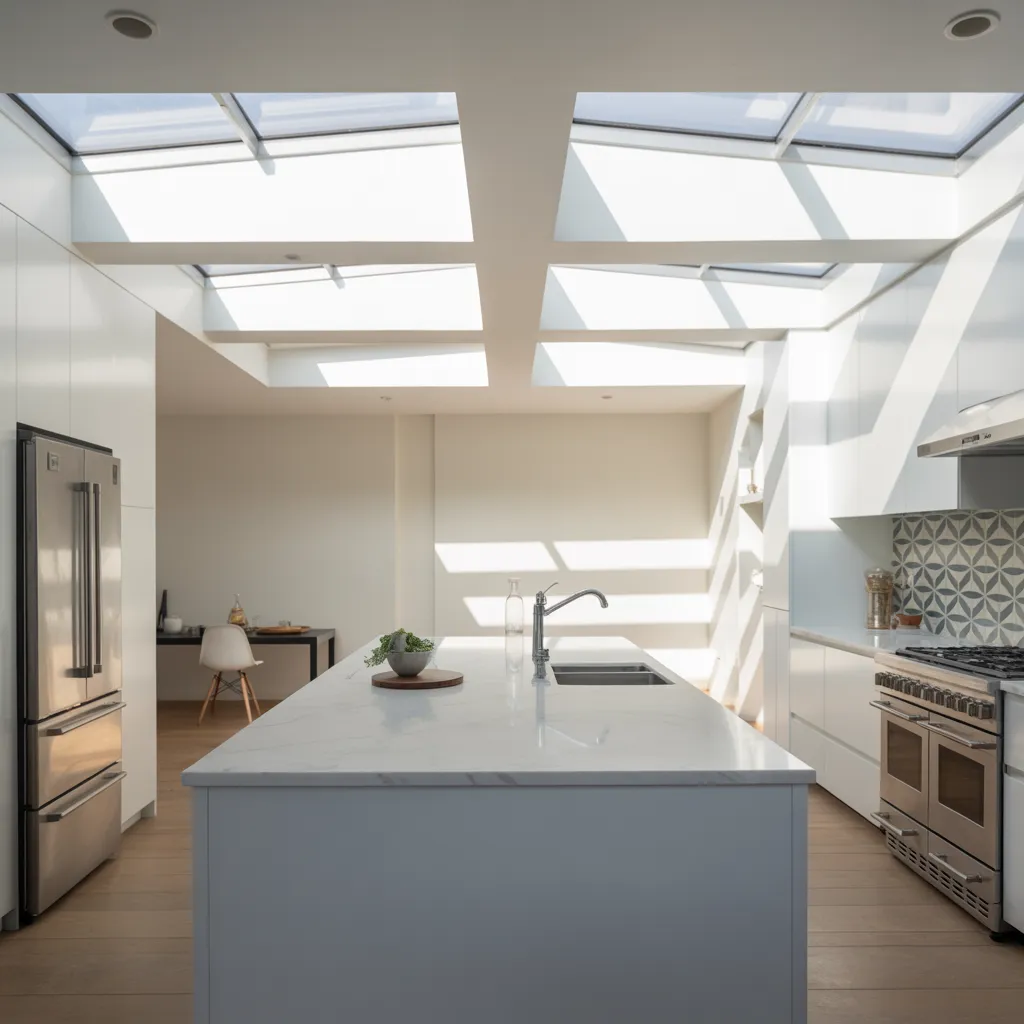
How Rooflights Increase Natural Light in Your Home
Even though many homeowners fail to recognize the importance of rooflights, these architectural features can greatly enhance the amount of natural light entering a living space. By strategically placing rooflights, homeowners can turn gloomy, restricted spaces into luminous, comfortable surroundings. As opposed to standard windows, rooflights permit sunlight to filter in from above, limiting dark patches and enhancing overall brightness during all hours of daylight.
The design and size of rooflights can greatly impact the amount of natural light. Multiple or oversized rooflights can create a more open feel, while tubular rooflights can funnel daylight into tighter spaces. Moreover, rooflights can elevate the overall feel, leaving interior spaces feeling more open and welcoming.
Additionally, the use of premium glazing guarantees that the advantages of natural light are fully realised while limiting heat loss. Therefore, rooflights not only improve the visual appeal but also promote a more comfortable and environmentally friendly home living space.
The True Cost of Installing Rooflights: What to Expect
When thinking about the installation of rooflights, homeowners commonly underestimate the related expenses, which can vary considerably based on several factors. The initial expense typically includes the price of the rooflight itself, installation fees, and any required structural changes. According to the style of rooflight—whether permanent, opening, or tubular—costs can vary from a few hundred to several thousand dollars.
Additionally, the complexity of installation is a key factor; a simple installation on a horizontal roof surface may be more cost-effective than one that requires significant modifications to a pitched roof. Property owners must also consider required permits and evaluations, which can contribute to the overall expenditure.
At its core, recognizing these components helps homeowners to plan financially and reach well-considered conclusions about installing rooflights throughout their residences, ensuring they achieve both aesthetic and functional benefits without surprising economic stress.

How Do Rooflights Improve Your Energy Efficiency?
Rooflights provide notable improvements for energy efficiency through enhanced natural lighting and improved insulation. By harnessing available daylight, detailed resource they reduce the need for artificial lighting, leading to lower energy consumption. Furthermore, contemporary rooflights are engineered to preserve heat, supporting a more balanced interior climate and lower heating expenses.
Benefits of Natural Light
The significant influence of natural light has the potential to boost energy efficiency in homes. Roof windows permit a plentiful supply of sunlight to flood living spaces, minimizing the reliance on artificial lighting during daylight hours. This not only lowers energy consumption but also promotes a more pleasant and inviting environment. By embracing natural light, homeowners can achieve more luminous living spaces, which can beneficially affect mood and productivity. Moreover, daylighting can assist in controlling indoor temperatures, decreasing the need for heating and cooling systems. Over time, these advantages can result in significant energy savings, establishing rooflights as an excellent option for eco-minded homeowners. Ultimately, integrating rooflights to harness natural light is a sensible strategy for improving energy efficiency.
Thermal Insulation and Heat Retention
Despite being commonly overlooked, thermal insulation and heat retention are fundamental factors in the energy efficiency of a home, and rooflights can significantly improve these aspects. Modern rooflights are designed with advanced glazing technology that limits heat loss while enhancing natural light. This innovative design helps maintain a comfortable indoor temperature, decreasing dependence on heating systems during colder months. Additionally, premium rooflights can help avoid overheating in warmer seasons by enabling efficient ventilation. When strategically placed, they can establish a more regulated indoor environment, leading to reduced energy costs. Property owners can experience the decorative benefits of natural light without sacrificing energy efficiency, making rooflights an intelligent choice for eco-friendly living. Overall, rooflights contribute markedly to improved insulation and heat retention.
Dispelling Misconceptions About Rooflight Durability
How can homeowners determine the longevity of rooflights despite widespread myths? Numerous property owners falsely think that rooflights are fragile and prone to damage. In actual fact, modern rooflights are manufactured using strong materials such as polycarbonate and laminated glass, built to endure extreme weather conditions. These materials are thoroughly evaluated for durability and UV resistance, guaranteeing they preserve their structural integrity long-term.
Another common myth is that rooflights demand regular replacement due to natural degradation. Nevertheless, with professional installation and regular maintenance, rooflights can remain functional for decades. Periodic inspections and upkeep can prevent common issues, such as water leaks or condensation buildup.
In addition, many homeowners mistakenly feel that rooflights automatically reduce overall energy conservation. Nevertheless, with developments in window glazing techniques, many rooflights now offer excellent thermal performance, supporting greater energy savings throughout the home. Recognising these realities can enable homeowners to reach informed decisions about long-term rooflight performance.
Conquering Common Installation Hurdles
Managing the complexities of rooflight installation can pose substantial challenges for homeowners and contractors alike. One common issue is guaranteeing proper structural support; poor reinforcement often causes leaks or structural failure. Homeowners must additionally contend with local building codes and regulations, which can change considerably depending on the area. Failure to comply may result in costly fines or the need for expensive modifications.
A further challenge includes selecting the right materials and setups compatible with the existing roof framework. Poor alignment throughout the installation process has the potential to create thermal inefficiencies and heighten the likelihood of water ingress. Furthermore, environmental conditions are capable of disrupting installation timelines, highlighting the importance of planning to account for these factors.
To overcome these challenges, working with skilled professionals is vital. They offer valuable expertise and ensure that the installation process meets safety standards and best practices. Thorough planning and skilled guidance can achieve a successful rooflight installation that maximises natural light while upholding the integrity of the home.
How Rooflights Can Enhance Your Home's Value
Fitting rooflights significantly improves a home's appearance and usability, thereby raising its resale value. By enabling natural light to fill living spaces, rooflights create a welcoming atmosphere that can appeal to prospective buyers. This boost in natural light often creates a sense of spaciousness, making rooms seem more expansive and welcoming.
Moreover, rooflights contribute to energy efficiency by reducing the need for artificial lighting during the day, which can reduce electricity bills. Residences with energy-efficient characteristics are progressively sought after, further boosting their attractiveness on the market.
Additionally, the unique architectural features that rooflights deliver can set apart a property from others in the market. A well-placed rooflight not only improves aesthetic appeal but also complements current architectural styles, drawing in contemporary buyers. All things considered, the installation of rooflights can be a smart investment, boosting both design appeal and usability while elevating the property's total market value.
Questions We Often Receive
Can Rooflights Be Installed in Any Type of Roofing?
Rooflights can be installed in multiple roofing types, including pitched, flat, and even thatched roofing structures. Nevertheless, particular installation approaches and materials may need to be adapted, making professional guidance essential to guarantee proper functionality and aesthetic integration.
Do Rooflights Perform Well in All Weather Conditions?
Rooflights are commonly well-suited for a range of weather conditions, but their performance relies on design and materials. Proper installation and maintenance are vital to confirm they hold up against harsh temperatures, heavy rainfall, and other environmental factors.
How Do Rooflights Influence Interior Temperature Across All Seasons?
Rooflights can greatly influence the temperature inside a building year-round. During summer months, they can contribute to higher temperatures, but during winter, they are effective at maintaining warmth indoors. Proper insulation and shading are essential for optimizing temperature control and energy efficiency.
What Upkeep Do Rooflights Need Over Time?
Roof lights need regular cleaning to prevent dirt buildup, periodic inspections for leaks or damage, and intermittent resealing to copyright energy performance. Additionally, homeowners should ensure surrounding structures don't obstruct light or airflow over time.
Is It Possible to Integrate Rooflights With Solar Panels?
Yes, rooflights can be integrated with solar panels, permitting natural illumination while collecting solar energy. This pairing improves energy efficiency and can deliver considerable reductions in electricity costs for those in search of environmentally conscious options.